
A home inspection is the practical step where a house goes from a space you love to a property you understand. After your offer is accepted, you hire a licensed home inspector, and within the inspection period set in your contract, the inspector documents the roof, systems, structure, and major components. In South Florida the report matters even more, because heat, humidity, and water shape how homes age. Una inspección de la casa es el paso práctico en el que una casa pasa de ser un espacio que le encanta a una propiedad que usted entiende. Después de que su oferta sea aceptada, usted contrata a un inspector de viviendas con licencia y, dentro del período de inspección que fija su contrato, el inspector documenta el techo, los sistemas, la estructura y los componentes principales. En el sur de la Florida el informe importa aún más, porque el calor, la humedad y el agua moldean cómo envejecen las casas.
How the timing works Cómo funciona el tiempo
Florida contracts commonly give buyers about ten days for the inspection, and the count starts right after the contract takes effect. Attend the inspection in person if you can. It usually takes two to three hours, and walking the property with the inspector is the best education you will get on how your home works: where the shutoffs are, how the irrigation runs, and where to aim the flashlight in the attic. Los contratos de la Florida suelen dar al comprador unos diez días para la inspección, y el plazo empieza justo después de que el contrato entra en vigor. Asista a la inspección en persona si puede. Suele durar de dos a tres horas, y recorrer la propiedad con el inspector es la mejor clase que recibirá sobre cómo funciona su casa: dónde están las llaves de paso, cómo corre el riego y dónde apuntar la linterna en el ático.
The South Florida checklist La lista de verificación del sur de la Florida
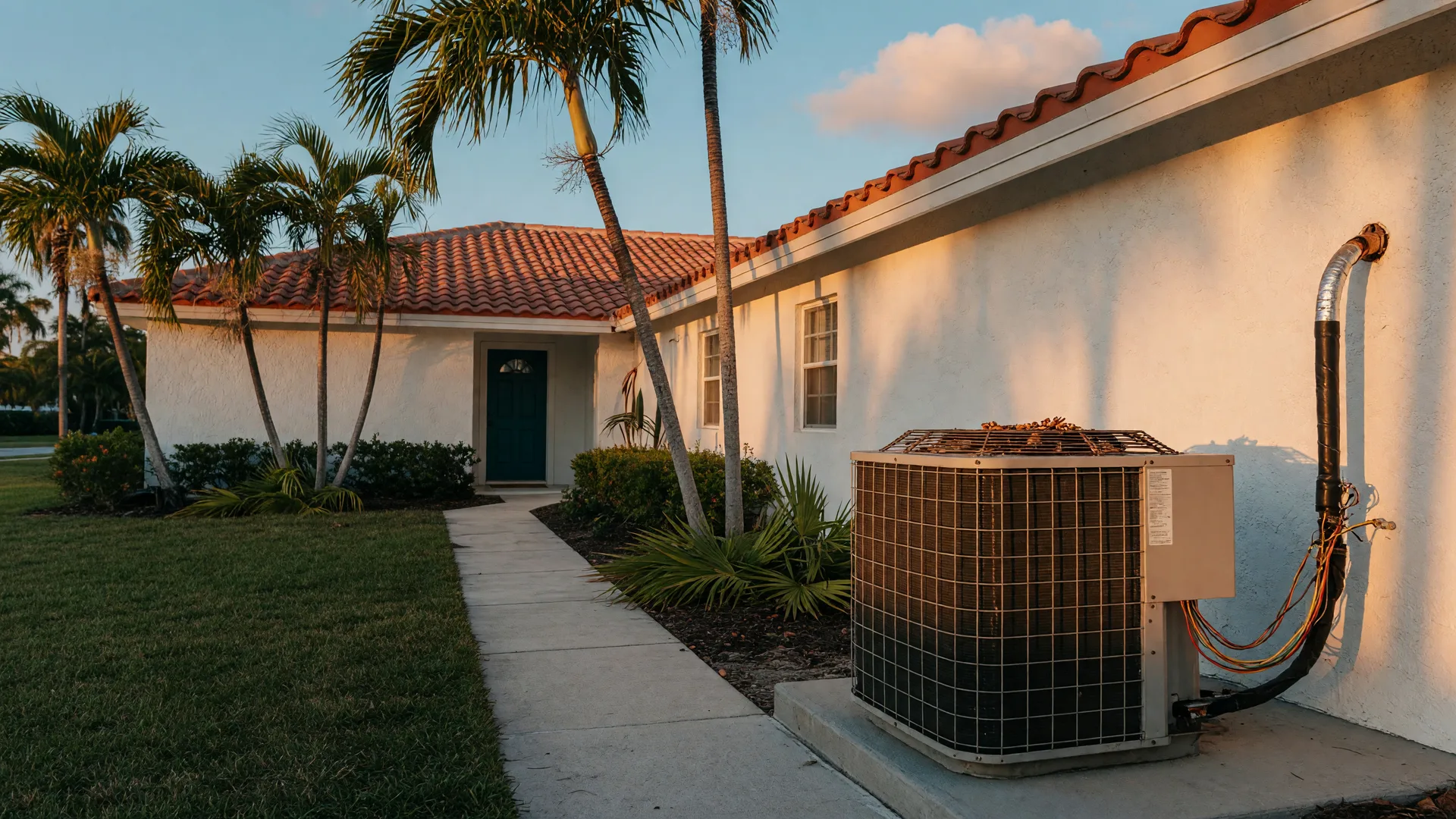
In this climate, four items deserve extra attention: the age and condition of the roof, the age of the air conditioning system, signs of past water intrusion, and the condition of the electrical panel. Roofs and AC units near the end of their service life will likely come up in negotiations, and knowing their ages before you negotiate is how you avoid surprises. For homes in the Redland and other areas with wells and septic, buyers often add specialized inspections for the well system, the septic system, and any pool equipment. En este clima, cuatro puntos merecen atención extra: la edad y el estado del techo, la edad del sistema de aire acondicionado, las señales de filtraciones de agua pasadas y el estado del panel eléctrico. Los techos y los aires acondicionados cerca del final de su vida útil probablemente saldrán en las negociaciones, y saber sus edades antes de negociar es la forma de evitar sorpresas. Para las casas en el Redland y otras zonas con pozo y pozo séptico, los compradores suelen añadir inspecciones especializadas del sistema del pozo, el sistema séptico y los equipos de la piscina.
What a major issue looks like Cómo se ve un problema importante
An inspection report lists every finding, and not everything on the list is urgent. Roof or foundation problems, active leaks, or unsafe electrical work are the items that matter most. Older systems with a functional-but-aging note are normal in resale homes, and many buyers and sellers settle those with a repair, a credit, or a price adjustment. Your agent's job is to translate the report into a short list of what to request. Un informe de inspección enumera cada hallazgo, y no todo lo que aparece en la lista es urgente. Los problemas de techo o cimientos, las filtraciones activas o los trabajos eléctricos inseguros son lo que más importa. Los sistemas antiguos con una nota de funcional pero envejeciendo son normales en casas de reventa, y muchos compradores y vendedores resuelven esos puntos con una reparación, un crédito o un ajuste de precio. El trabajo de su agente es convertir el informe en una lista corta de qué pedir.
Negotiation, not confrontation Negociación, no confrontación
The inspection period is also your exit window: if the report reveals a problem you cannot accept, your contract gives you a way out. Most of the time it will not come to that. Buyers who approach the report with calm questions rather than a list of demands usually reach an agreement in a day or two. That is the moment a trusted advocate earns their keep, and it happens on almost every transaction. El período de inspección es también su ventana de salida: si el informe revela un problema que no puede aceptar, su contrato le da una forma de salir. La mayoría de las veces no se llega a eso. Los compradores que abordan el informe con preguntas tranquilas en lugar de una lista de exigencias suelen llegar a un acuerdo en uno o dos días. Ese es el momento en que un asesor de confianza demuestra su valor, y ocurre en casi todas las transacciones.
Related guides Guías relacionadas
Nanci Gilbert, PA is a South Florida realtor who guides growing families, sellers, and buyers across Miami-Dade and Broward. Questions about this topic? She answers every message within one business day. Nanci Gilbert, PA es una realtor del sur de la Florida que guía a familias en crecimiento, vendedores y compradores en Miami-Dade y Broward. ¿Preguntas sobre este tema? Responde cada mensaje dentro de un día hábil.