

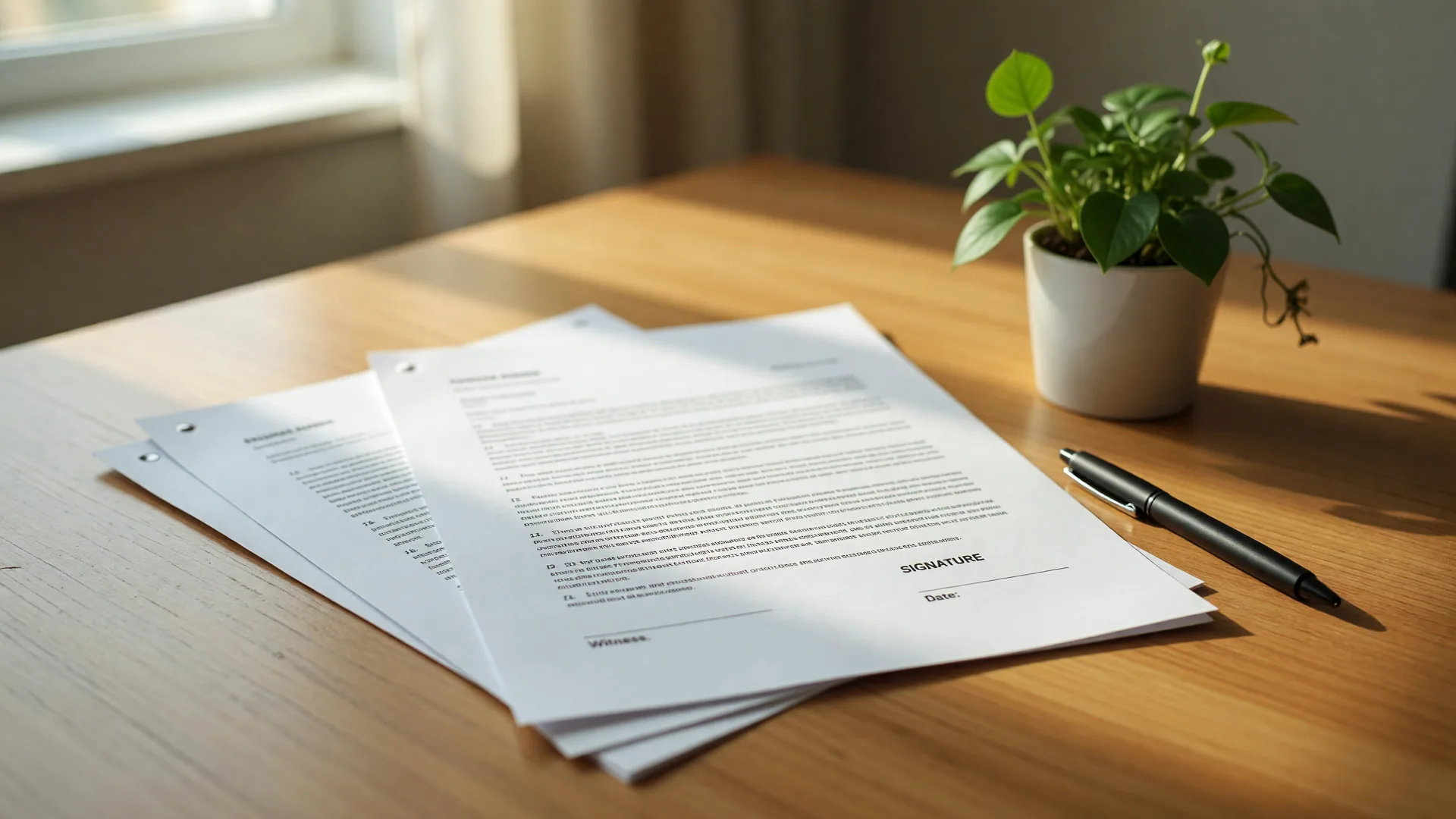
When an offer is accepted, the next step surprises many first-time buyers: the earnest money deposit. This is the money that tells the seller you are serious, and it is also the part of the transaction that buyers often understand least. Here is what it is, where it sits, and how it stays protected. Cuando se acepta una oferta, el siguiente paso sorprende a muchos compradores primerizos: el depósito de buena fe. Es el dinero que le dice al vendedor que habla en serio, y también es la parte de la transacción que los compradores suelen entender menos. Esto es lo que es, dónde se guarda y cómo se mantiene protegido.
What earnest money is for Para qué sirve el depósito de buena fe
Earnest money accompanies your offer and signals that the offer is real. At closing, it applies toward your down payment and closing costs, so it is not a fee; it is part of your purchase. The amount is negotiated, often between one and two percent of the price in many South Florida transactions, though every situation differs. Your agent will guide you on a number that strengthens your offer without overcommitting. El depósito de buena fe acompaña su oferta y señala que la oferta es real. Al cierre, se aplica a su pago inicial y a los costos de cierre, así que no es una tarifa; es parte de su compra. La cantidad se negocia, a menudo entre el uno y el dos por ciento del precio en muchas transacciones del sur de la Florida, aunque cada situación es distinta. Su agente lo orientará sobre un número que fortalezca su oferta sin comprometerse de más.
Where the money sits during the contract Dónde se guarda el dinero durante el contrato
Your deposit does not go directly to the seller. In Florida it is held in escrow by a neutral party, usually a title company, an attorney, or the broker's escrow account, until closing. Both sides can confirm the money is there, and neither side controls it alone. Su depósito no va directamente al vendedor. En Florida se guarda en una cuenta de garantía administrada por una parte neutral, generalmente una compañía de títulos, un abogado o la cuenta de garantía de la corredora, hasta el cierre. Ambas partes pueden confirmar que el dinero está allí, y ninguna de las dos lo controla sola.
When the deposit comes back to you Cuándo le devuelven el depósito
The contract defines when the deposit is returned. If the sale closes, the money applies to your purchase. If the sale falls apart, the outcome depends on why: contract contingencies for the inspection, the appraisal, and financing usually protect your deposit when you cancel within your rights. This is why the contingencies in your contract matter as much as the price. El contrato define cuándo se devuelve el depósito. Si la compra se cierra, el dinero se aplica a su compra. Si la compra no se concreta, el resultado depende de la razón: las contingencias del contrato para la inspección, la tasación y el financiamiento suelen proteger su depósito cuando usted cancela dentro de sus derechos. Por eso las contingencias de su contrato importan tanto como el precio.
What can put the deposit at risk Qué puede poner el depósito en riesgo
The situations that put earnest money at risk are usually the same everywhere: missing a deadline in the contract, cancelling without a valid contingency, or walking away after every condition has been met. Read every date in the contract, keep everything in writing, and ask questions until the timeline makes sense. A missed date is the most common way a careful buyer gets hurt. Las situaciones que ponen el depósito en riesgo suelen ser las mismas en todas partes: no cumplir una fecha límite del contrato, cancelar sin una contingencia válida o irse después de que se hayan cumplido todas las condiciones. Lea cada fecha del contrato, mantenga todo por escrito y haga preguntas hasta que el calendario tenga sentido. Una fecha incumplida es la forma más común en que un comprador cuidadoso sale perjudicado.
Before you write the deposit check Antes de escribir el cheque del depósito
Ask your agent: who holds the money, what happens if the inspection finds a problem, what happens if the appraisal comes in low, and which deadlines could cost you the deposit. Many South Florida families are selling one home while buying the next, and understanding how the deposit moves between the two closings is part of the coordination. Clarity before signing protects the money and the peace of mind. Pregunte a su agente: quién custodia el dinero, qué pasa si la inspección encuentra un problema, qué pasa si la tasación resulta baja y qué fechas límite podrían costarle el depósito. Muchas familias del sur de la Florida venden una casa mientras compran la próxima, y entender cómo se mueve el depósito entre los dos cierres es parte de la coordinación. La claridad antes de firmar protege el dinero y la tranquilidad.
Related guides Guías relacionadas
Nanci Gilbert, PA is a South Florida realtor who guides growing families, sellers, and buyers across Miami-Dade and Broward. Questions about this topic? She answers every message within one business day. Nanci Gilbert, PA es una realtor del sur de la Florida que guía a familias en crecimiento, vendedores y compradores en Miami-Dade y Broward. ¿Preguntas sobre este tema? Responde cada mensaje dentro de un día hábil.