

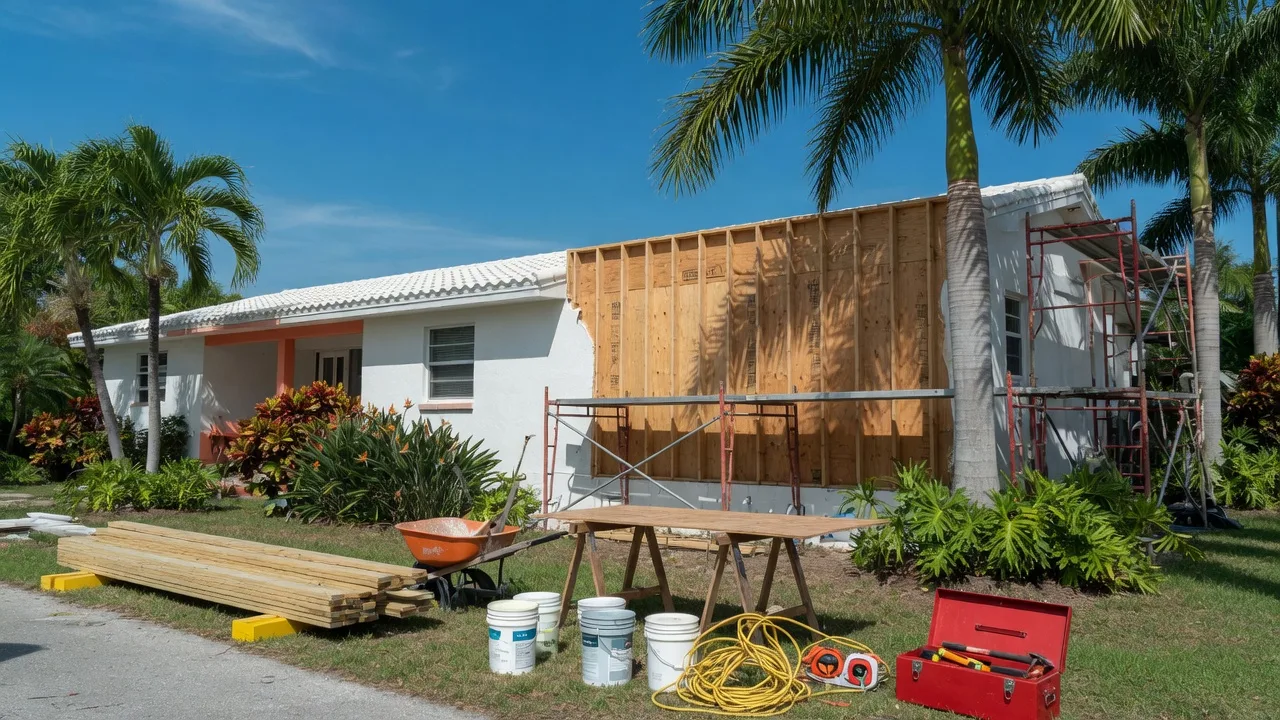
The moment a family realizes the house no longer fits, three doors open: add square footage, rework the space that already exists, or move to a home that already has the room. Each path has a real cost, a real timeline, and a different end result. This article lays out the comparison families actually use to decide, without the sales language and without the guesswork. En el momento en que una familia se da cuenta de que la casa ya no le queda, se abren tres puertas: agregar metros cuadrados, rehacer el espacio que ya existe o mudarse a una casa que ya tiene el espacio. Cada camino tiene un costo real, un plazo real y un resultado distinto. Este artículo presenta la comparación que las familias realmente usan para decidir, sin lenguaje de ventas y sin conjeturas.
Start with the why Empieza por el porqué
Before comparing options, name the problem precisely. Is it a missing bedroom, a home office, a kitchen that cannot hold the family, or a yard that no longer gets used? The same vague feeling of being crowded can point to three very different fixes. A precise problem makes the comparison honest, because an addition that solves the wrong problem wastes money no matter how well it is built. Antes de comparar opciones, nombra el problema con precisión. ¿Falta un dormitorio, una oficina en casa, una cocina que no puede con la familia o un patio que ya no se usa? La misma sensación vaga de estar apretados puede apuntar a tres soluciones muy distintas. Un problema preciso hace honesta la comparación, porque una ampliación que resuelve el problema equivocado desperdicia dinero sin importar lo bien construida que esté.
Adding on: the math of space Ampliar: las cuentas del espacio
An addition delivers exactly the room you design, but it is the most expensive path per square foot, and it brings permits, engineering, and a construction timeline into your daily life. The honest question is what the finished home would be worth compared with what the addition costs to build. In many neighborhoods that math supports moving instead, which is why the comparison has to happen on paper before any contractor is called. Una ampliación entrega exactamente el espacio que diseñas, pero es el camino más costoso por metro cuadrado, y trae permisos, ingeniería y un cronograma de construcción a tu vida diaria. La pregunta honesta es cuánto valdría la casa terminada en comparación con lo que cuesta construir la ampliación. En muchos vecindarios, esa cuenta apoya mudarse en lugar de ampliar, por eso la comparación tiene que hacerse en papel antes de llamar a cualquier contratista.
Renovating: reworking what you have Renovar: rehacer lo que tienes
Renovation is usually cheaper per square foot than addition, because you are reworking space that already exists: opening a wall, converting a garage, finishing a flex room. It works best when the problem is the layout, not the total size. The trade-offs are the same family disruption and the same question of value at the end. A renovation that doubles as a showing-ready upgrade can be smart; a renovation that overbuilds the neighborhood is a different story. Renovar suele ser más barato por metro cuadrado que ampliar, porque rehaces espacio que ya existe: abrir una pared, convertir un garaje, terminar una habitación flexible. Funciona mejor cuando el problema es la distribución, no el tamaño total. Las compensaciones son la misma interrupción familiar y la misma pregunta de valor al final. Una renovación que además deja la casa lista para mostrar puede ser inteligente; una renovación que sobrepasa al vecindario es otra historia.
Moving: the market's answer Mudarse: la respuesta del mercado
Moving means the room you need may already exist, in a community that fits your budget, without a single permit. The comparison is straightforward: what your current home sells for, what the next home costs, and what the move itself costs in closing, moving, and the first months of the new payment. Add the sequence question, whether you sell first, buy first, or coordinate both, and you have the full picture. For families whose problem is total size, moving often wins on both cost and time. Mudarse significa que el espacio que necesitas puede ya existir, en una comunidad que encaja con tu presupuesto, sin un solo permiso. La comparación es directa: cuánto se vende tu casa actual, cuánto cuesta la próxima y cuánto cuesta la mudanza en cierre, mudanza y los primeros meses del nuevo pago. Suma la pregunta de la secuencia, si vendes primero, compras primero o coordinas ambos, y tienes la imagen completa. Para las familias cuyo problema es el tamaño total, mudarse suele ganar tanto en costo como en tiempo.
A framework, not a formula Un marco, no una fórmula
Every family weighs cost, timeline, disruption, and the life the result supports differently, and the right answer changes with the market. What never changes is the value of comparing the three paths on paper before committing. A home valuation grounds the selling side, a lender grounds the buying side, and a tour of what the market actually offers grounds the middle. Nanci guides families through exactly this comparison, one conversation at a time, with no pressure and no predetermined answer. Cada familia pondera el costo, el plazo, la interrupción y la vida que el resultado sostiene de manera distinta, y la respuesta correcta cambia con el mercado. Lo que nunca cambia es el valor de comparar los tres caminos en papel antes de comprometerse. Una valuación del hogar fundamenta el lado de la venta, un prestamista fundamenta el lado de la compra, y un recorrido por lo que el mercado realmente ofrece fundamenta el medio. Nanci guía a las familias a través de exactamente esta comparación, una conversación a la vez, sin presión y sin una respuesta predeterminada.
Related guides Guías relacionadas
Nanci Gilbert, PA is a South Florida realtor who guides growing families, sellers, and buyers across Miami-Dade and Broward. Questions about this topic? She answers every message within one business day. Nanci Gilbert, PA es una realtor del sur de la Florida que guía a familias en crecimiento, vendedores y compradores en Miami-Dade y Broward. ¿Preguntas sobre este tema? Responde cada mensaje dentro de un día hábil.